Phone:
(701)814-6992
Physical address:
6296 Donnelly Plaza
Ratkeville, Bahamas.

Phone:
(701)814-6992
Physical address:
6296 Donnelly Plaza
Ratkeville, Bahamas.
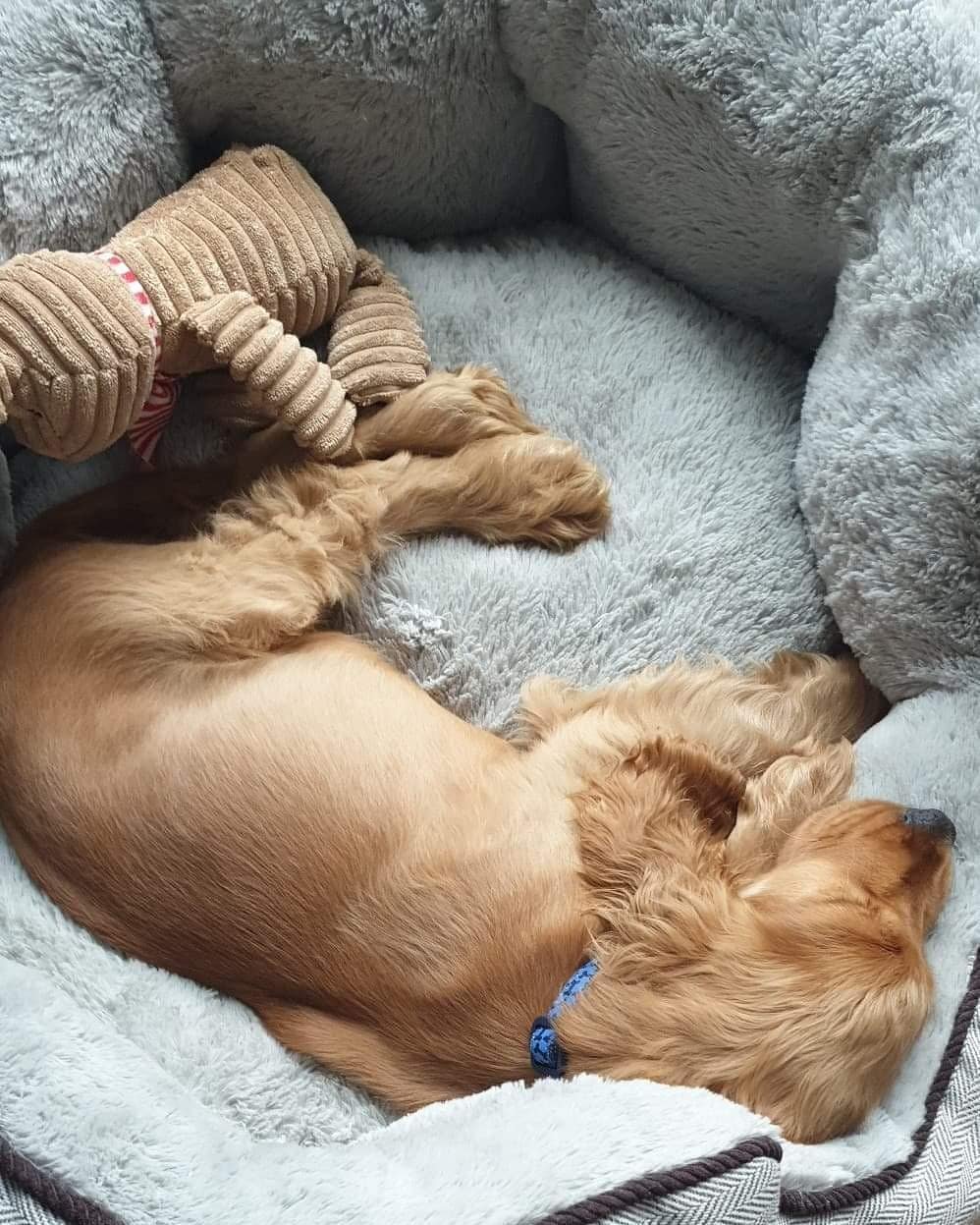
This post contains affiliate links. If you buy something through one of them, we may earn a small commission at no extra cost to you — it helps keep Laika’s World running.
The first cold night of winter tells you everything about your dog’s bed. If the dog migrates to the rug in front of the heater, or curls into a tighter ball than usual, the bed is not doing its job. A heated bed or a self-warming pad fixes that without heating the whole house — but “heated” covers very different products, and buying the wrong type is the most common mistake. A plug-in bed for a puppy that chews cords is a hazard, and a self-warming mat for a stiff senior in a cold garage is barely better than the floor. This guide sorts out which type suits which dog, then picks the best of each.
If you have not bought a dog bed before at all, start with our general guide: The Ultimate Guide to Finding the Best Bed for a Large Dog. It covers sizing and materials; this post covers warmth.
Electric heated beds and pads plug in and make their own heat. The good ones are thermostatically controlled: they warm to about your dog’s body temperature — around 102°F — when the dog lies down, and sit just above room temperature when empty. They use very little power, typically 4 to 40 watts depending on size, and they are the only option that genuinely warms a cold room or a stiff, arthritic dog all night. The trade-off is the cord, which is why they need the safety rules below.
Self-warming pads and beds have no cord and no plug. A reflective layer inside bounces the dog’s own body heat back at them, so the sleeping surface feels warmer than a plain mat. They are safe for chewers, crates, and travel, and they cost very little. The honest limit: they cannot add heat, only slow down the loss of what the dog already makes. A healthy dog in a normal house will notice the difference; a chilled senior on a concrete floor will not get enough from one.
Orthopedic beds are a different thing again — thick foam that supports joints rather than adding warmth. Some heated beds combine both, and for an older large dog that combination is usually the right answer. A donut or bolster bed is about curling up and feeling enclosed, not about heat, though the deep fill does trap some warmth. Match the feature to the problem: cold room, get heat; stiff joints, get foam; anxious curler, get a donut.
These matter more than the brand. First, the exit rule: a heated pad should cover no more than about half to two-thirds of the dog’s sleeping area, so the dog can move off the heat whenever it wants. Second, never use a human heating pad on a dog — human pads are built for twenty-minute sessions and can reach 130–160°F, which will burn a dog. Pet beds are built with dual thermostats that cap the surface near body temperature. Third, plug-in pads are not for unsupervised chewers: if the dog chews cords, buy self-warming or a rigid chew-resistant pad instead, and check the cord regularly. Fourth, buy a bed that is safety-listed as a whole unit (K&H’s MET Labs listing is the clearest example), not just one with a listed cord. And finally, a heated bed is for indoors or a sheltered outdoor spot as the maker specifies — an indoor pad in a damp dog house is the wrong tool.
This is the one we would start with for a stiff, older dog sleeping indoors. It is a bolster bed with a removable 6-watt heater, dual preset thermostats that warm the bed to about body temperature only when the dog lies on it, and a MET listing for electrical safety. The plush baffled foam bolsters cradle a sore back. The medium runs around $133 on Chewy, and it is the priciest pick here — but it is the only one that combines real heat, joint support, and a safety listing in a bed the dog will actually sleep in. It is indoor-only, and not for destructive chewers.
If you want to find out whether your dog will even use a warm spot, this is the low-stakes way to test it: around $13, no electricity anywhere in it. A thin reflective layer under a plush surface returns the dog’s own body heat, and it comes in small (22 x 17 inches) and large (36 x 24 inches). It is the only pick here with nothing to plug in, nothing to chew through, and nothing to break — which also makes it the best crate option. Just keep expectations honest: on a freezing floor it is a thin improvement, not a solution.
For the dog that wants a bed, not a mat, and an owner who wants no cords at all, this hooded hut is the pick. The self-warming insulation is sewn into the sleeping surface, capturing body heat and radiating it back, and the hut shape holds warmth in around a small dog or cat. The small runs $38.98 on Chewy and is in stock. It suits crates, apartments, and anyone nervous about electricity — and it is the natural step up from the ThermaNAP mat if the dog actually uses the warm spot.
Large dogs lose heat to a cold floor faster than small ones, and this is the large-dog answer: an orthopedic foam bed with a steel-wrapped cord, rated for indoor or sheltered outdoor use, warming to body temperature on a thermostat. It runs about $52.98 for small up to $82.99 for large, and it is one of the most-reviewed heated beds around. Use it in a garage, porch, or dog house — not out in the rain — and not for a dog that destroys things.
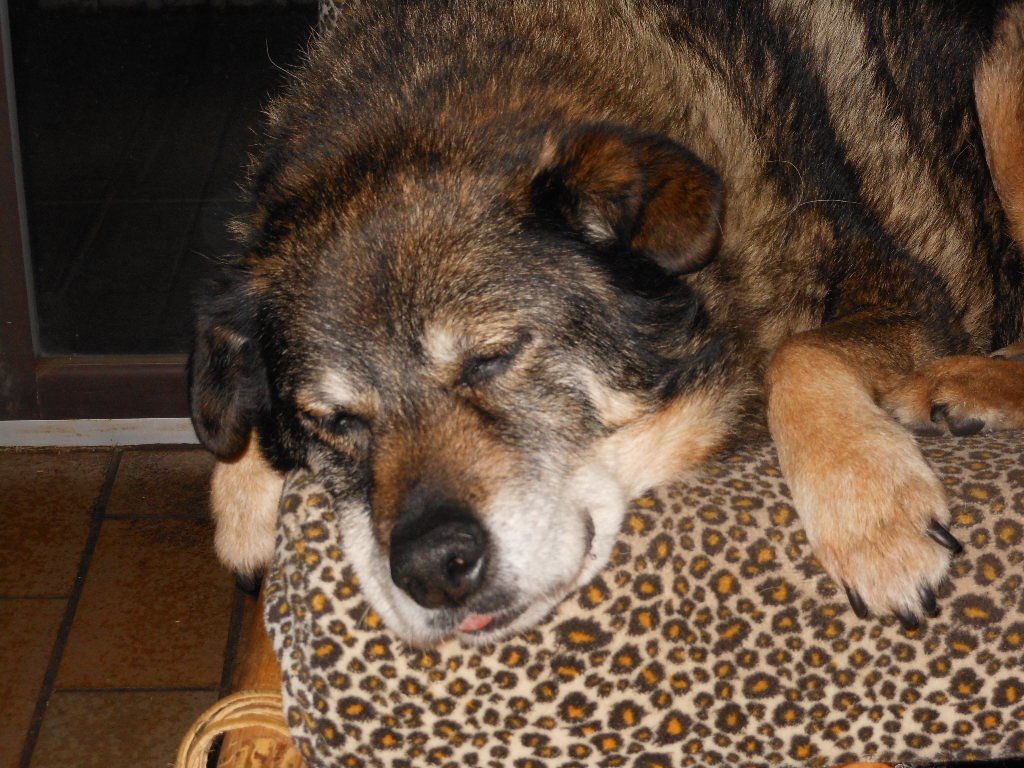
If the dog already has a bed it will not leave, do not buy a new bed — warm the one it has. This is a thin vinyl pad that slips inside the existing bed, in four sizes from about $19 (Small) to $28 (Giant), using 4 to 22 watts depending on size. The thermostat works the same way as the Snuggly Sleeper: about 102°F under the dog, just above room temperature when empty. It is MET-listed, and the cord is five and a half feet. The cheapest way to turn a good bed into a heated one.
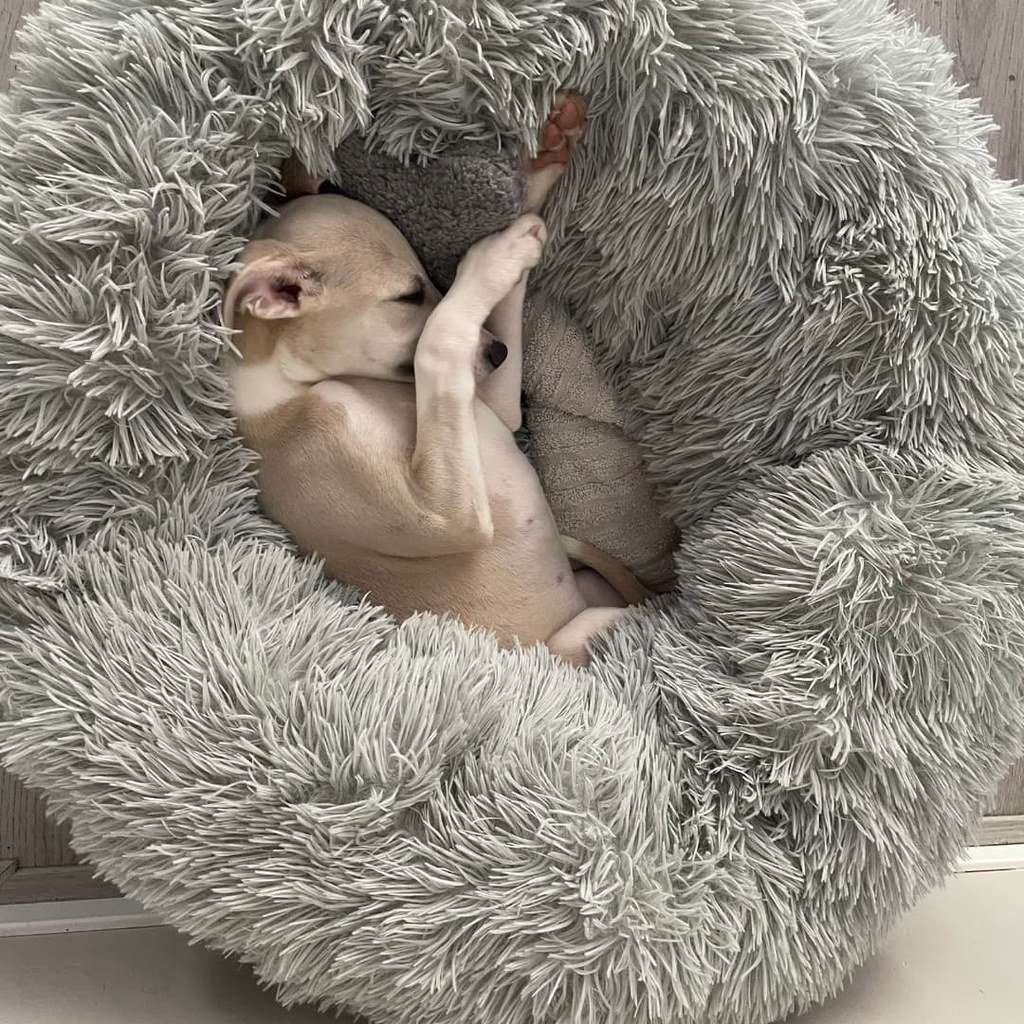
Not every dog wants heat — some just want to burrow. The donut that started the craze is still the one to beat: deep shag fur, premium fiber fill, and a raised rim dogs lean against. It comes in sizes from 17 x 17 inches up to 45 x 45 inches, and Chewy lists the patterned orthopedic version at $36.99 for Small. Two honest caveats from reviewers: it runs small, because the listed dimensions include the rim, so size up at least once; and the fiber fill compresses over a year of heavy use and needs fluffing. It is not orthopedic — for a senior with joint pain, pair the idea with the heated orthopedic picks above, not this one.
Measure the dog lying down, stretched out, nose to tail base — then add a few inches. A bed that is too small gets ignored; a bed that is too big in a crate wastes the space the dog uses to turn around. As a rough guide: under 25 lb, small (around 23 inches across for a donut, 22 x 17 for a mat); 25–50 lb, medium (30 inches across, or a 25 x 36 inch pad); 50–90 lb, large (36 inches across, or a 36 x 24 inch pad); over 90 lb, extra large, and check the weight limit before buying — the Lectro-Soft large at 25 x 36 inches is the safer big-dog bet than a donut that tops out at 45 inches across but sags under weight. For a growing puppy, buy the adult size with a blanket to fill the gap rather than a bed it outgrows in a month.
A winter bed gets dirty fast, so check the washing instructions before you fall for the price. The K&H heated beds have removable covers or removable heaters so the fabric can be washed; self-warming mats are usually machine-washable whole. Donut beds vary: the Sheri donut washes as a whole unit, which takes longer to dry — have a spare blanket ready. On chew-proofing, be realistic: no fabric bed is chew-proof. The genuinely chew-resistant options are the rigid K&H Lectro-Kennel pad (hard ABS plastic, around $100–$120) and any self-warming mat with no cord at all. If the dog destroys beds, start with the mat and work up.
Thin pads with no insulation and no thermostat — they feel warm for ten minutes and then go cold, and an unregulated pad can overheat. Beds with exposed cords and no cord protection, especially for puppies. Any “heated” bed that does not name its thermostat temperature or safety listing. And a heated bed as a substitute for a vet visit: if a senior dog is suddenly stiff, shivering, or reluctant to lie down, warmth helps the symptom, but the cause needs a vet — our guide to finding the right veterinarian covers what to ask at the first visit.
If the dog is old or stiff and sleeps indoors, buy the K&H Thermo-Snuggly Sleeper. If the dog chews everything or sleeps in a crate, buy the FurHaven ThermaNAP mat for about $13 and see if the dog uses it. If the dog is large and the floor is cold, buy the K&H Lectro-Soft. And if the dog just wants to curl into a warm hole, buy the Sheri donut one size up. Warmth is the cheapest comfort you can buy a dog this winter — just buy the type that matches the dog, and keep the pad to half the bed so the dog can always move off it.
Sources: PetScored, “Best heated dog beds in 2026” (July 2026); GearForPet, “10 Best Heated Dog Beds (2026)”; WebVet, “Best Heated Dog Beds: Vet-Reviewed Picks and Safety” (Oct 2026); PawsForecast, “Heated Dog Beds vs Self-Warming Pads: Which is Safer?” (Oct 27, 2026); DogBedLab, “Best Calming (Donut) Dog Beds” (May 2026); Chewy product listings (checked Nov 9–10, 2026). Prices change often — check the listing before you buy.