Phone:
(701)814-6992
Physical address:
6296 Donnelly Plaza
Ratkeville, Bahamas.

Phone:
(701)814-6992
Physical address:
6296 Donnelly Plaza
Ratkeville, Bahamas.
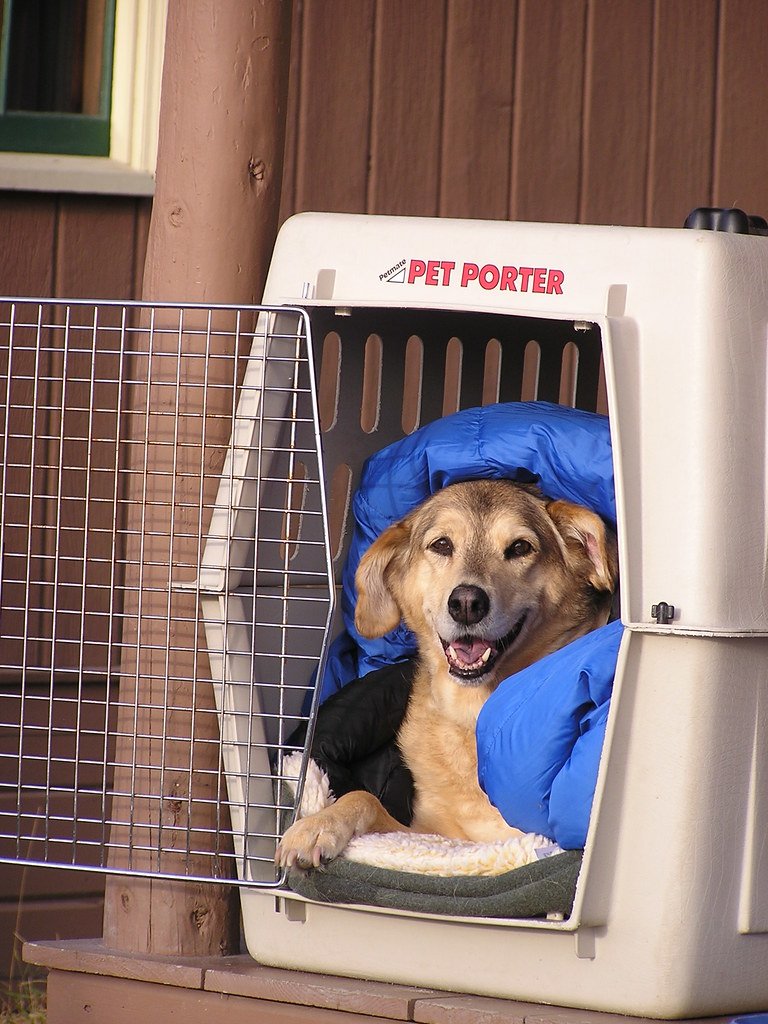
This post contains affiliate links. If you buy something through one of them, we may earn a small commission at no extra cost to you — it helps keep Laika’s World running.
A crate is the first thing most new dog owners buy, and the easiest to buy wrong. Too small and the dog cannot stand up, turn around, or stretch out — which is not just uncomfortable, it is the reason many dogs learn to hate the crate. Too big and a puppy will sleep in one corner and use the other as a bathroom, which defeats the whole point of crate training. The right crate is boring in the best way: the dog walks in on its own, settles down, and sleeps. This guide starts with sizing, because that decision matters more than the brand, then sorts the four crate types by who each one suits, and picks the best of each.
If you are buying for a puppy arriving over the holidays, this pairs with our new-puppy checklist, publishing Dec 28 — the crate on this page is the first item on that list. And if the dog already has a bed it loves, our guide to finding the best bed for a large dog covers sizing and materials for the bed that goes inside the crate.
Breed charts are a starting point, not an answer — two Labradors can differ by 20 pounds. Measure your own dog: length from nose to the base of the tail while lying stretched out, and height from the floor to the top of the ears while standing. Then add 2–4 inches to each number. That gives the dog room to stand, turn around, and lie flat without the crate feeling like a spare room.
| Crate length | Rough weight range | Typical dogs |
|---|---|---|
| 18″ | Up to ~10 lb | Toy breeds, tiny puppies |
| 22–24″ | 11–25 lb | Shih Tzu, Miniature Poodle, French Bulldog puppy |
| 30″ | 26–40 lb | Beagle, Cocker Spaniel, Border Collie puppy |
| 36″ | 41–70 lb | Australian Shepherd, Boxer, adult Border Collie |
| 42″ | 71–90 lb | Golden Retriever, Labrador, German Shepherd |
| 48″ | 91 lb and up | Great Dane, Mastiff, Newfoundland |
Two rules that save most sizing mistakes. First, if the dog falls between sizes, size up — a crate that is slightly roomy with a blanket in it beats one the dog outgrows in a month. Second, for a growing puppy, buy the adult size with a divider panel, and move the divider as the puppy grows. Every wire crate below ships with one. Without a divider, a puppy in an adult-size crate will do exactly what you fear: sleep at one end and toilet at the other.
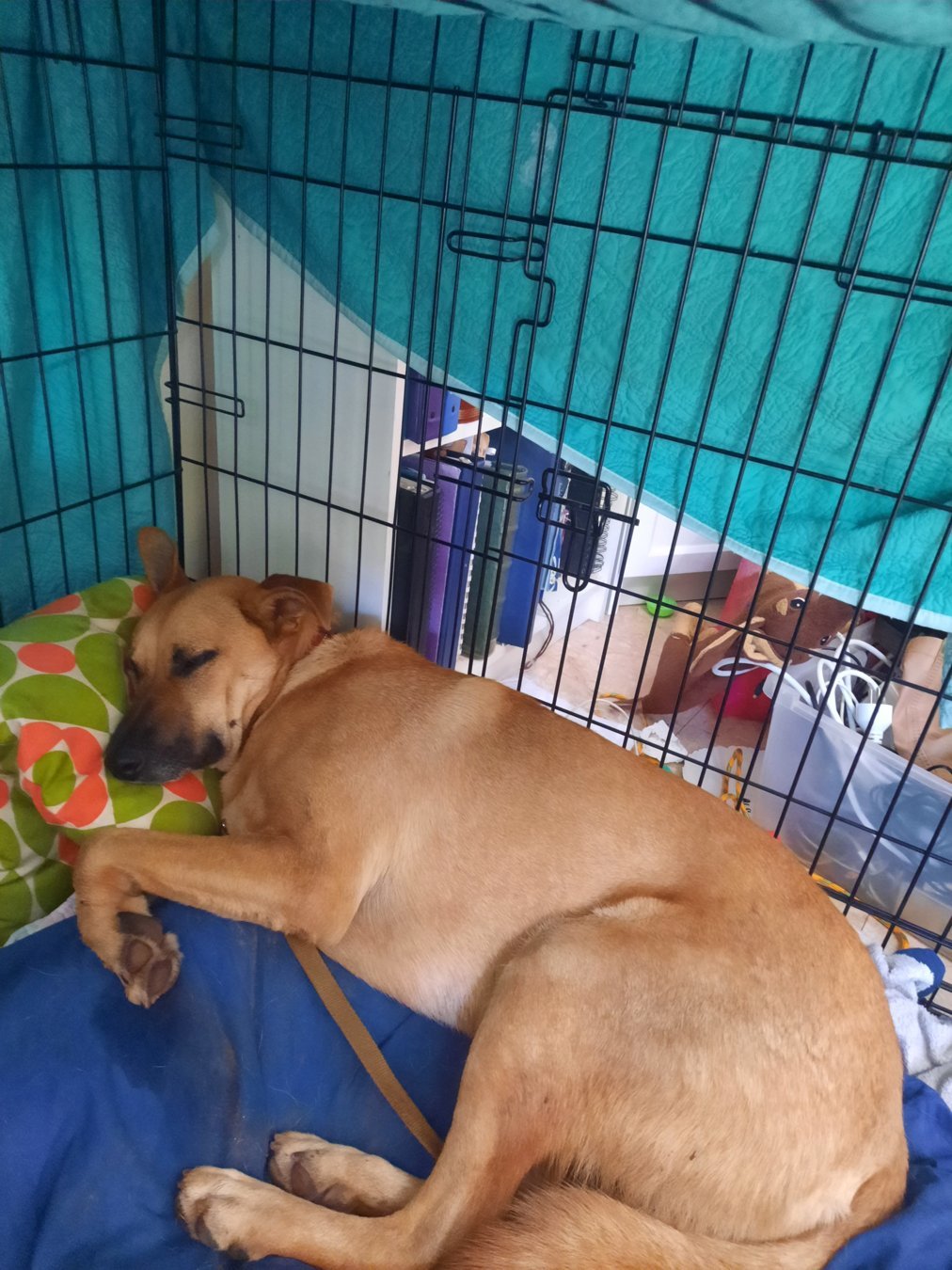
Wire crates are the default for a reason. They fold flat, they ventilate on all four sides so the dog does not overheat, they come with a divider and a slide-out tray, and they are the cheapest per inch. Their weakness is containment: a determined dog can bend wire, work a single latch, or chew through a coating. For a calm or moderately anxious dog they are right; for a true escape artist they are not.
Soft-sided crates are fabric and mesh over a folding frame. They weigh a fraction of a wire crate, fold to the thickness of a camp chair, and are the only sensible choice for travel, hotels, and dog shows. They are not chew-proof, not escape-proof, and not crash-tested — a dog that paws at mesh or works zippers will get out, and in a moving car that is a real hazard. Buy one only for a dog that is already crate-trained and settled.
Furniture-style crates look like an end table or credenza, with wood or wood-look panels and a wire door. They suit owners who want the crate in the living room without looking at a cage. They cost far more per inch than wire, they are heavy and do not fold, and most are sized for small to medium dogs. The premium wire alternative in this space is the Diggs Revol, around $300–$395 for a 42-inch crate — a much nicer latch and build than a budget wire crate, at five times the price. Buy furniture-style for looks and a calm dog, not for containment.
Heavy-duty steel crates are welded steel tube and 20-gauge panels with multi-point slide-bolt latches, lockable wheels, and a weight that keeps them planted. They are the answer for dogs that have already destroyed a wire crate, or for separation anxiety that turns destructive. They are heavy — 60 to 120 pounds — they do not fold flat, and they cost two to three times a wire crate. Nobody needs one for a calm puppy; everybody with a Houdini wishes they had bought one sooner.
This is the crate most owners should buy first. The double-door version folds flat, sets up without tools, and includes the divider panel and leak-proof tray that make puppy training work. The 42-inch size measures 42.5 x 28.5 x 30.5 inches and is rated by MidWest for large breeds weighing 71–90 pounds — Golden Retrievers, Labradors, and German Shepherds are the usual fit, and MidWest itself says to step up to the 48-inch if the dog is pushing the top of that band. Two doors matter more than they sound: a side door lets the crate fit against a wall or in a car without blocking the only exit.
The same basic formula — folding wire, slide-out tray, divider panel on the larger sizes — at the lowest price in the category, in sizes from 18 inches up to 48 inches. The trade-offs are honest ones: a single door, so placement is less flexible than the iCrate, and thinner wire, so it suits a calm dog rather than a strong chewer. For a first crate, a puppy, or a second crate for the car, it is hard to beat on value — just do not expect it to hold a dog that has already bent a wire crate.
If the dog has already escaped a wire crate, stop buying wire crates. The BOLDBONE is 20-gauge reinforced steel with 0.5-inch steel tubes, double slide-bolt latches plus anti-collision locks, lockable wheels, and a slide-out tray — built for large, strong dogs and separation anxiety that turns destructive. The 48-inch version fits dogs over 90 pounds. It weighs around 58 pounds, does not fold flat, and needs about 20 minutes to assemble, so measure the doorway it has to pass through before ordering. No crate is truly escape-proof, but steel with multi-point latches defeats the nose-pushing and bar-bending that open a wire kennel.
For the dog that is already crate-trained and just needs a den on the road, this is the lightest sensible pick: polyester and mesh over a folding frame, top and front openings, a washable fleece pad, and a fold-flat shape with a shoulder strap. The 36-inch size is rated for dogs up to about 70 pounds and weighs under 10 pounds — it disappears into a trunk next to a folding chair. The same warning as every soft crate: skip it for any dog that paws aggressively at mesh, works zippers, or chews fabric. For that dog, take the wire crate and accept the weight.
A crate only works if the dog chooses it. Rushing the training is how crates get a bad name.
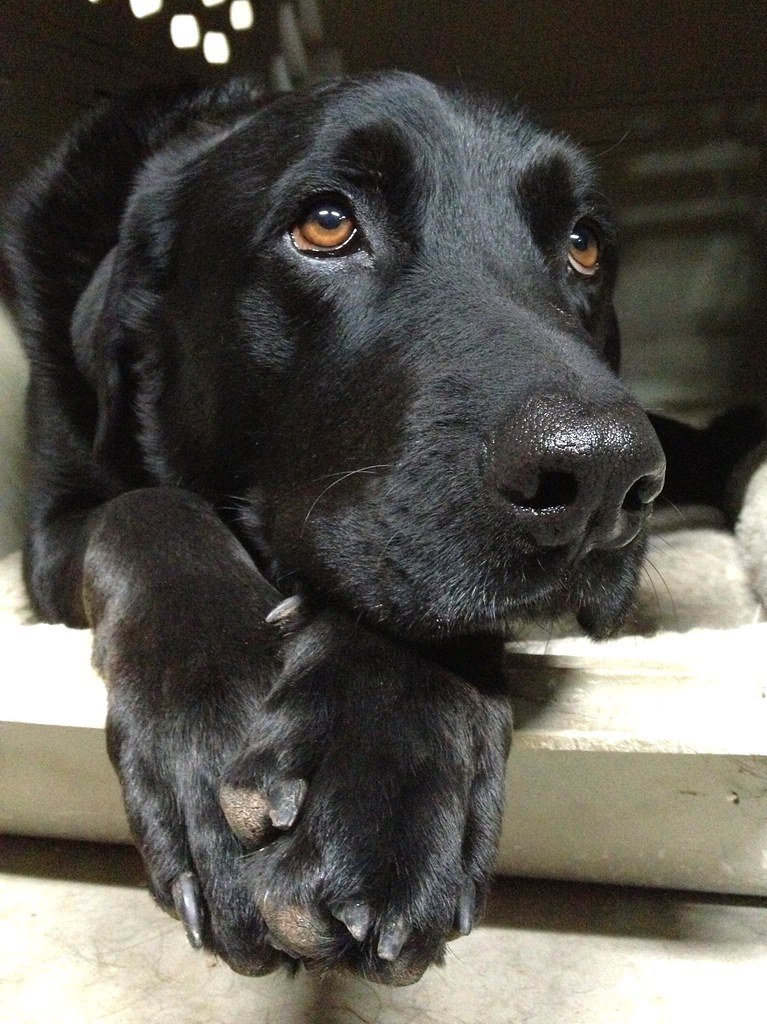
Buying too big without a divider, so the puppy toilets in the far corner. Leaving a puppy crated for a full workday with no midday break. Putting a plug-in heated pad in a crate with a chewer — use a self-warming mat instead, as in our heated beds guide. Covering a wire crate with a heavy blanket in summer, which turns it into an oven. And buying a soft-sided crate for a dog that has never been crated — the first test of a soft crate should never be a hotel room at midnight.
On cost: a crate is a one-time buy, but it is still a line item. Our breakdown of the costs of dog ownership puts first-year supplies at $200–$500 all-in, and a $85 wire crate is the biggest single piece of that for most owners — which is another reason to buy the adult size once, with a divider, rather than a small crate now and a large one in six months.
Thin wire crates with a single latch and no divider — they cost less and teach the dog that crates open. Any crate the dog cannot stand up in without crouching. A used crate with bent bars or a rusted tray, which can cut paws. And a crate as a substitute for training: if the dog barks, chews, or panics every time the door closes, the answer is slower training and a vet or trainer conversation, not a stronger box.
Measure the dog, add a few inches, and buy the adult size with a divider. For most dogs, the MidWest iCrate 42-inch double door is the right first crate. For a tight budget, the Amazon Basics single door does the same job with one door and thinner wire. For a dog that has already escaped, skip wire entirely and buy the BOLDBONE steel crate. For travel with a calm, crate-trained dog, take the soft-sided Amazon Basics and leave the wire crate at home. And train slowly — a crate the dog walks into on its own is worth more than any latch on the market.